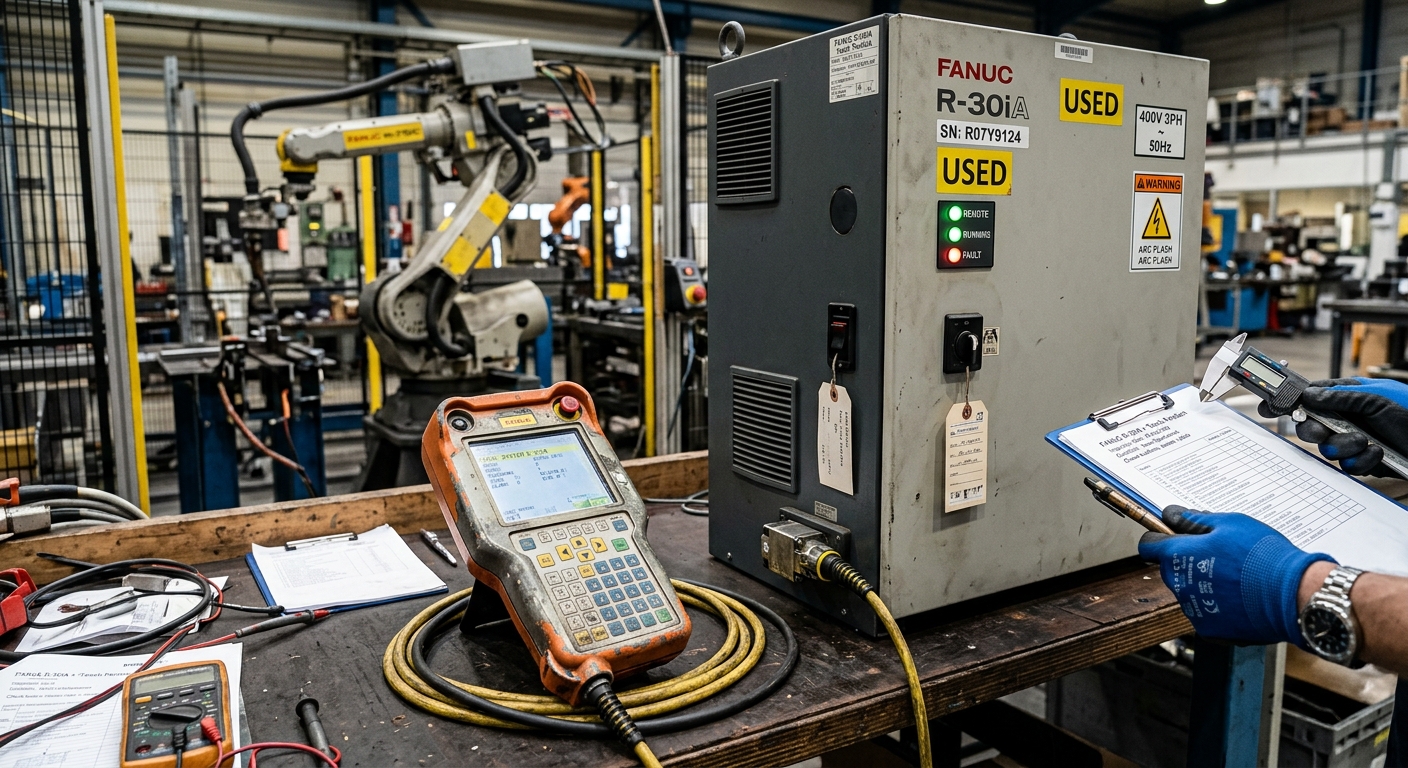
Common Mistakes When Automating Manual Processes That Work for Humans but Were Never

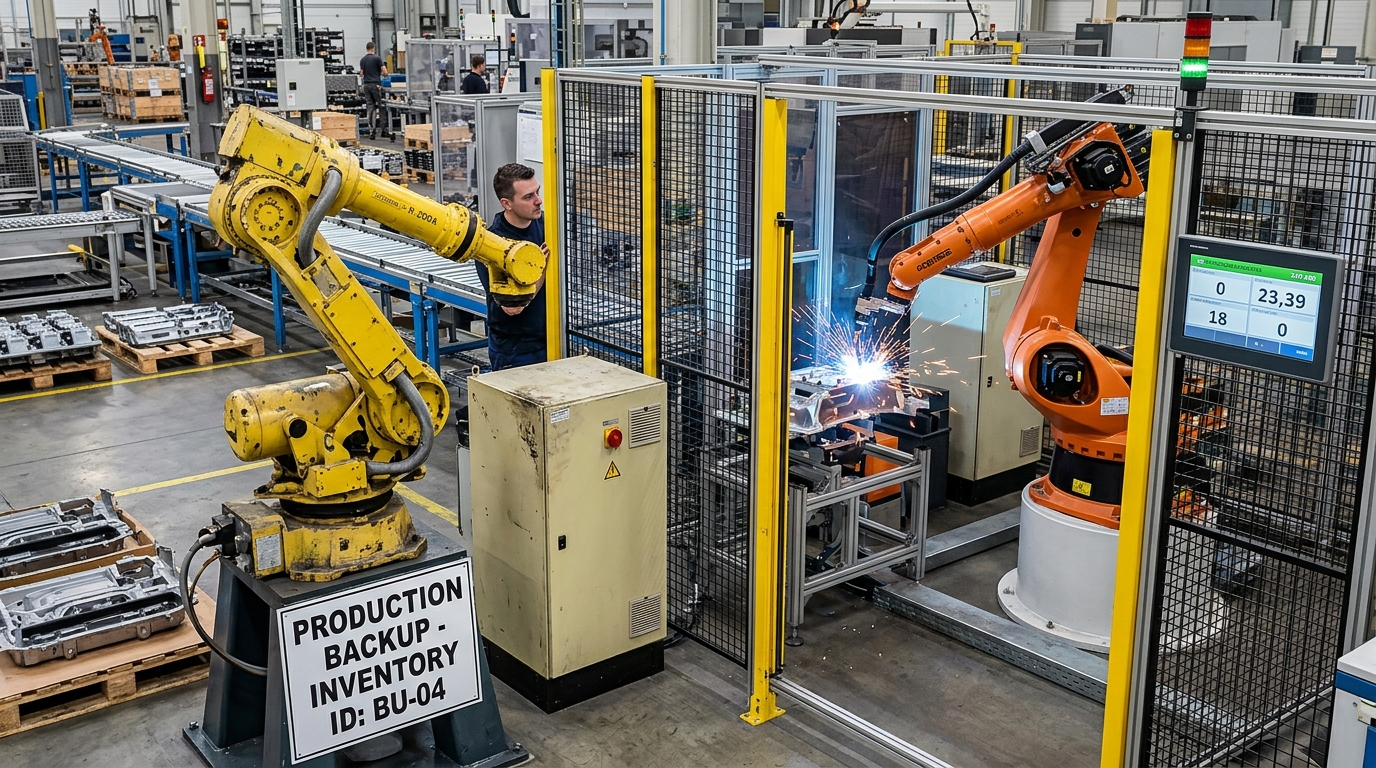
One of the most common starting points in industrial automation projects begins with a reassuring statement: “The process works fine as it is.” Ironically, this is often where the real problems start. Many manual processes appear stable only because human operators continuously compensate for imperfections—adjusting positions, correcting variations, and making decisions on the fly. When … Read more

What logistics considerations should be taken into account when automating material handling processes with robots?

Automating material handling with robots requires more than simply selecting the right robot. It also involves organizing how materials are transported, stored, moved, and managed throughout your factory or logistics center. Material handling covers everything from the arrival of raw materials to internal material flow and the outbound shipment of finished products. Poorly designed automation … Read more

Which process should you robotize first to achieve the fastest ROI

The first process to robotize is not always the most visible one or the one with the highest labor cost. In most cases, it is the process that combines high repetitiveness, strong operational impact, a high cost of errors, and relatively simple implementation. When selected correctly, the first robotics project delivers immediate return on investment, … Read more

End of line: when to automate and when a semi-manual solution makes more sense

Fully automating the end of line is not always the best choice. The right decision depends on several factors, including: production volume product stability ergonomics cost of errors required flexibility In some cases, a robotic cell is the most effective way to increase capacity and safety. In others, a well‑designed semi‑manual solution delivers better return, … Read more

Can a process with variable parts be robotized?

Yes, it is possible to automate a process that involves variable parts, but feasibility depends on what changes from part to part and how much tolerance the operation allows. If variability stays within defined limits, robotics can absorb it through: adaptive tooling vision systems appropriate programming strategies When variation is chaotic and input data is … Read more

Legal and regulatory implications of integrating industrial robots into legacy production lines

A significant part of today’s industrial landscape still operates with legacy production lines designed decades ago. Robust machines, proven processes, and layouts that have worked reliably for years now face the need to integrate industrial robotic automation. This is where a critical — and often underestimated — question arises: What happens when a modern industrial … Read more

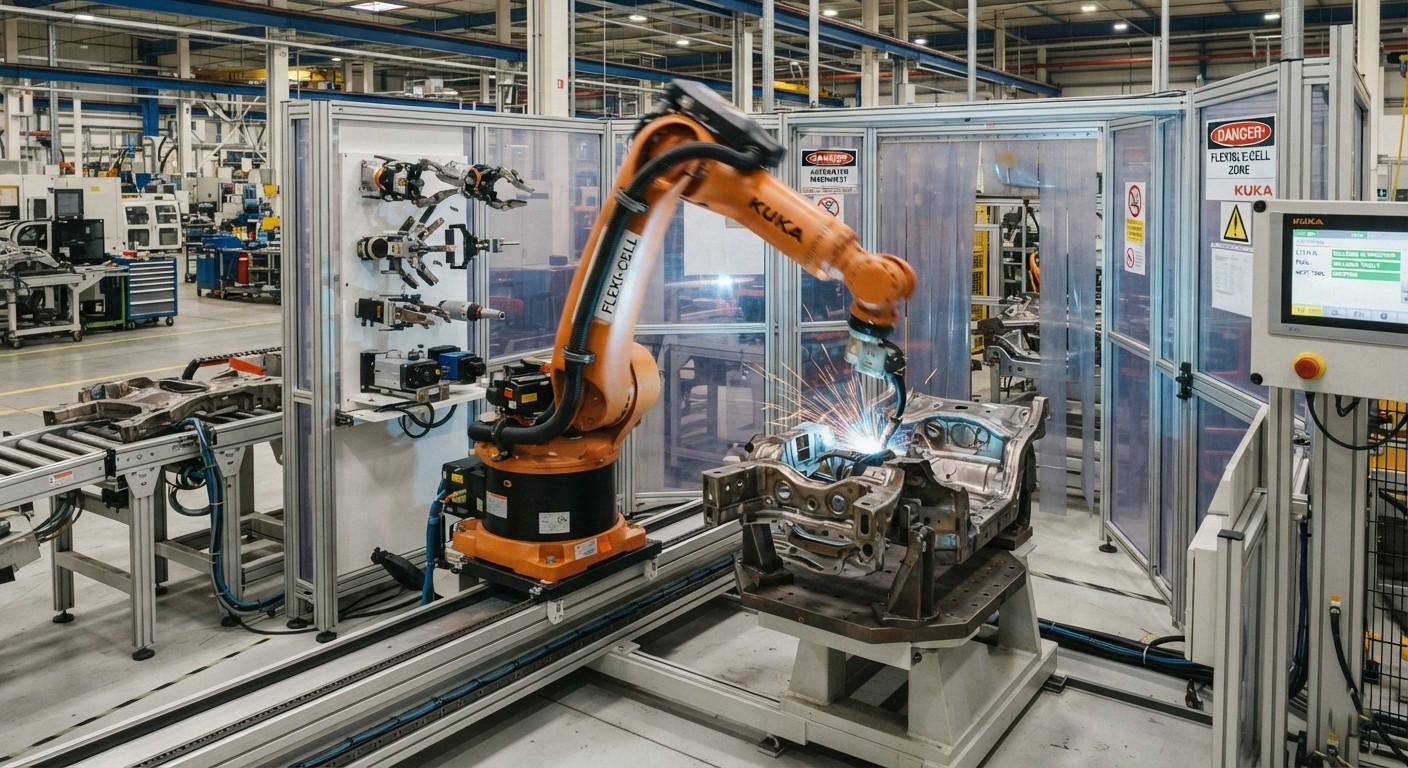
Which robot to choose if your line handles multiple packaging formats

Yes, it is absolutely possible to successfully automate a line that handles a wide variety of packaging formats — but there is no single robot that can solve every situation on its own. The right choice depends on: available space product fragility geometry and weight frequency and complexity of format changeovers When these criteria are … Read more

How to know if a robot fits your plastic injection molding process

A robot can bring significant value to plastic injection molding — but not in every process, and not in the same way. For automation to be truly profitable, it is essential to verify that cycle time, mold stability, post‑processing requirements, and part logistics actually justify the use of a robot. When this analysis is done … Read more

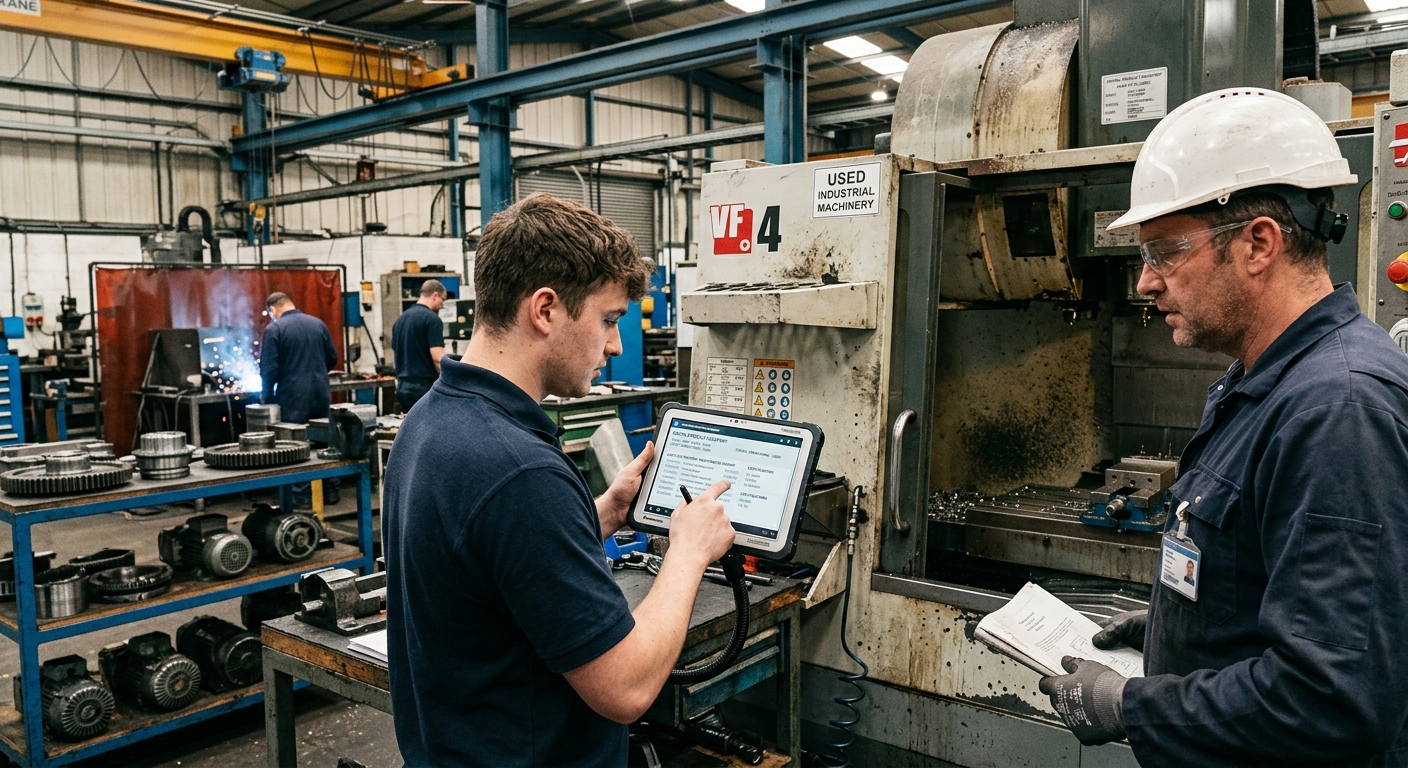
How to robotize CNC machine loading and unloading without creating bottlenecks

Yes, CNC machine loading and unloading can be robotized without creating bottlenecks — but only if the project is designed around the real machining rhythm. The robot must adapt to the machine cycle time, part presentation, and auxiliary operations — not the other way around. When synchronization is done correctly, the cell gains productive hours, … Read more

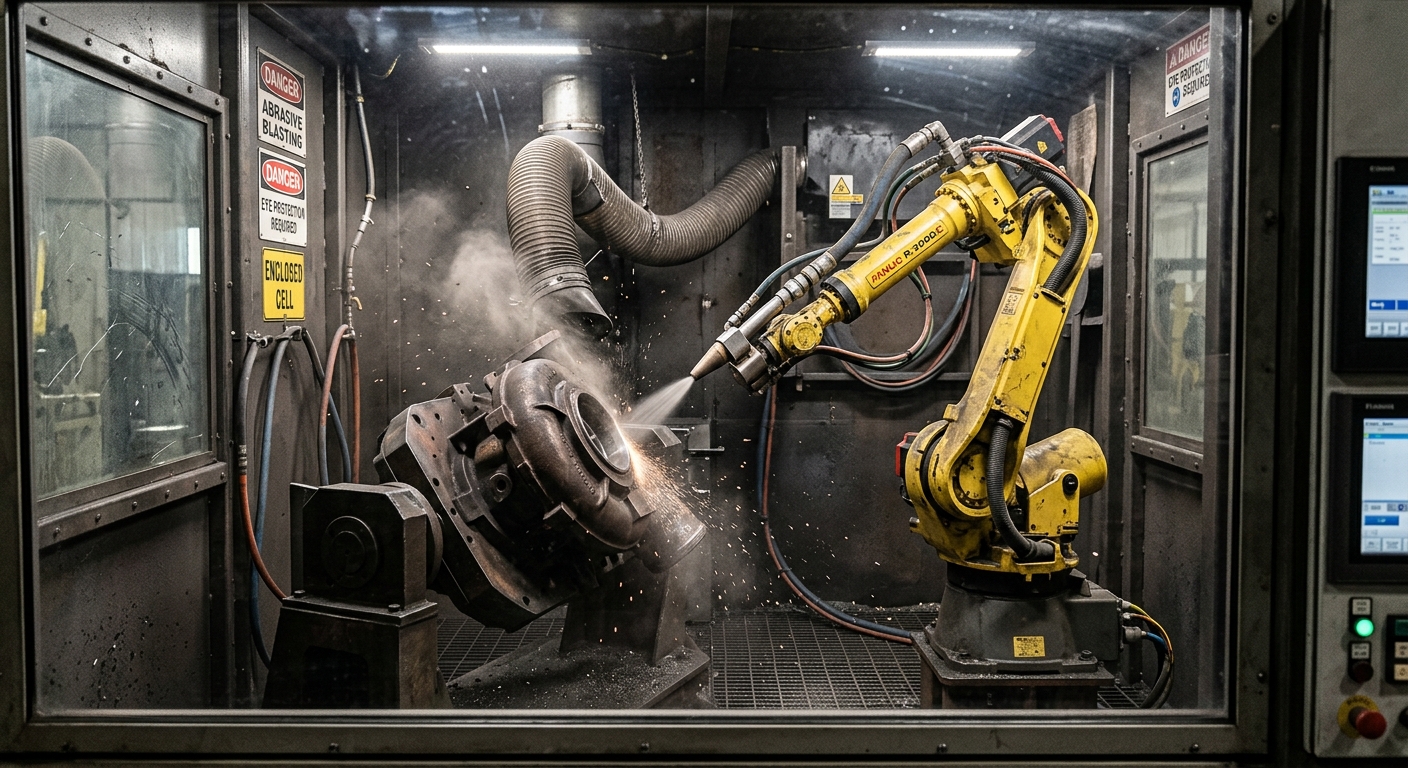
What happens if the real behavior of the material does not match the simulation?

Simulation always looks calm. Everything flows. Nothing vibrates. Nothing shifts. No surprises. On screen, the robot never hesitates. That’s why, when the system moves from the digital environment to the real plant, the contrast is often brutal. The first contact with the real material — the one with history, moisture, internal stresses, inherited tolerances — … Read more